
Precarious life
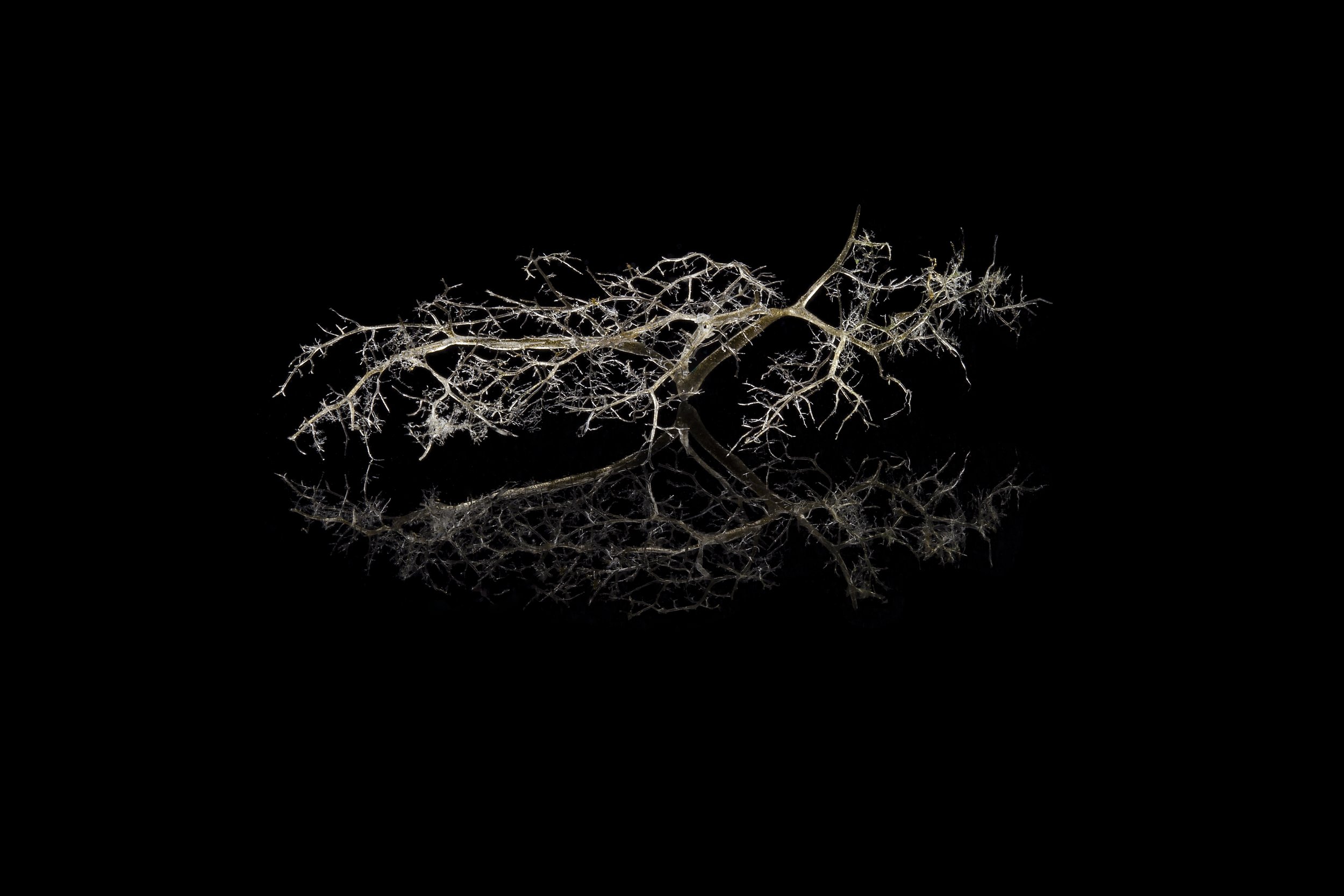
Tineke Van der Eecken and Natalie Warburton, 2026. Birdwing, vascular corrosion cast Cockatoo wing. Photo Yasmin Eghtesadi
My studio in Walyalup sits between Indian Ocean and Beeliar wetlands. After focusing on marine life and the diversity of habitats throughout Western Australia in previous exhibitions, I have come fix my gaze on my home environment. From red-tail black cockatoos to quendas and honey possums, the unique wildlife’s splendour fills me with joy as well as despair at the rate of their disappearance. Conscious of the precarious state of native wildlife and habitats, I joined hands with Dr Natalie Warburton at Murdoch University to create new sculptural work and writing inspired by what remains.
Over the past six months, we have collaborated in the lab on vascular corrosion castings of some of the cockatoos (hit by cars on campus!) in order to present these magnificent birds in their most fragile state, as light and delicate beneath their thick plumage. The Murdoch University Ethics Committee gave us the go-ahead to create sculptures from preserved pouch-young quenda and honey possums. Knowing how precious these are and how rare an opportunity it is to work with such precarious material, I was committed to devise the right studio protocols to work with techniques to work these into sculptures: from the traditional lost-wax casting to electroforming which required only a minimum of metal. Reinforcing what ‘precious’ is in this context, I took to making tiny sculptures representing wildlife using recycled metals: the copper wire we recovered from our recent home renovations, and silver from old jewellery.
None of this was straightforward. My studio was very low-tech and I had to find ways to do casting at home without burning the place down. I purchased some second-hand equipment which took four months and several electricians to get it going. I had to learn how to electroplate and found out the hard way that I have a nickel allergy. I was fortunate to have grant money from the WA Department of Creative Industries to pay for a mentor, Kate Sale, who showed me how to make my own moulds and explained the nuts and bolts of electroforming and where to purchase what I needed.
By the time the Jewellers and Metalsmiths Group of Australia (JMGA WA) called for entries for their ‘Echoes and Fragments’ exhibition, held at Earlywork Gallery in Fremantle, I had my first series of small works. I decided to use discarded phone and laptop packaging to frame the small sculptural works of baby quenda, honey possum and cockatoo to visualise how technology encroaches more and more on the natural world, driving it to extinction.
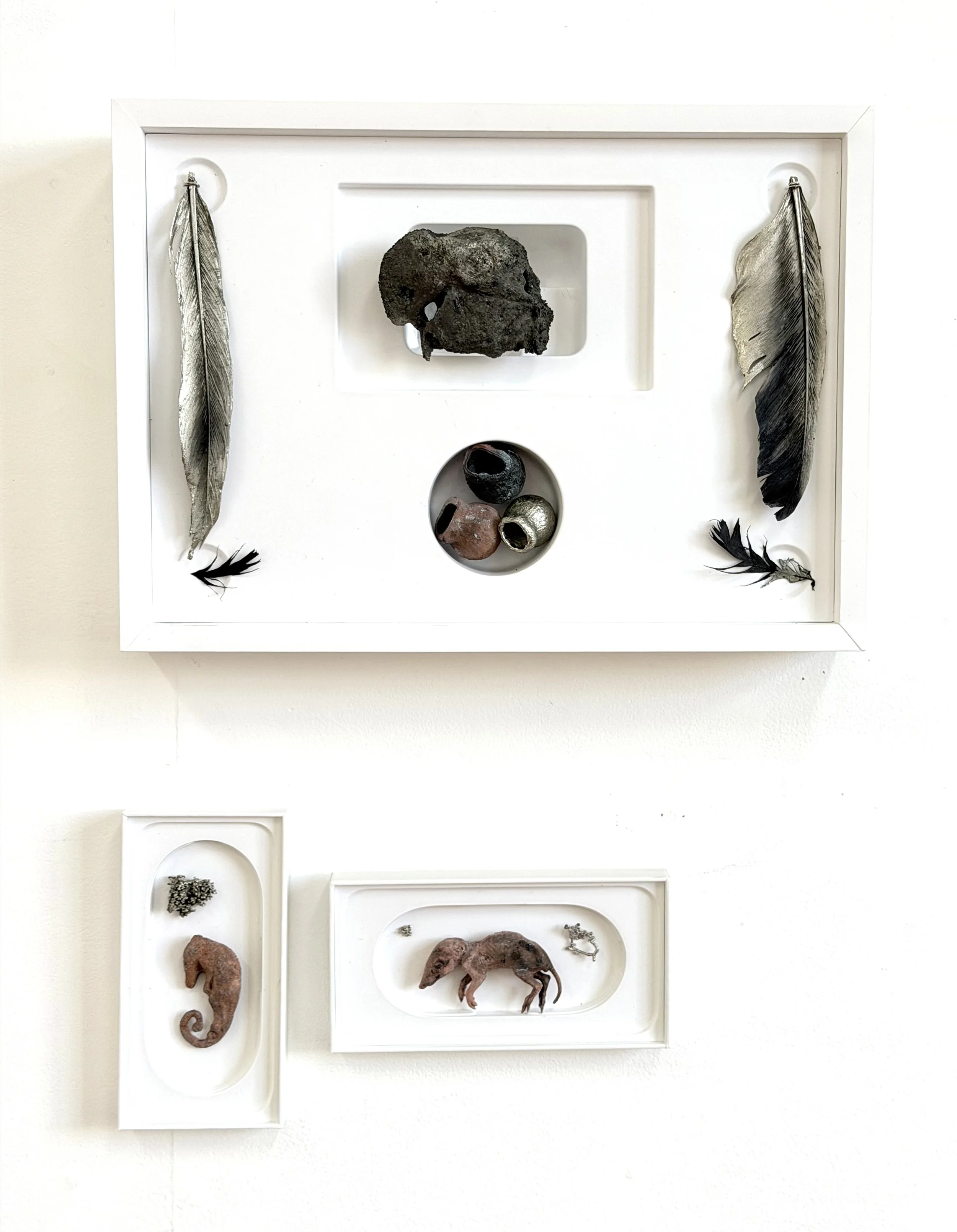
Entries for the Echoes and Fragments Exhibition by JMGA WA at Earlywork Gallery in June 2026: Red-Tail Black Cockatoo, Honey Possum Bliss and Pouch Young Quenda, made in copper and silver.
I nearly gave up on the idea of doing lost-wax casting in my home studio after months of logistical hiccups and nightmares until all issues were resolved. I didn’t lose my passion for organic and lost-wax casting and can now create exciting new work in my home studio. I think of the ancient metal sculptures that have survived natural disasters and cultural extinctions to shine as bright as when they were made in museums and art galleries, and feel fortunate to bring these delicate life forms into sculptural form, indestructible, amplifying the point that this may be all that is left if humanity doesn’t change direction in tackling global warming and protecting the environment with the leadership and resources this requires.
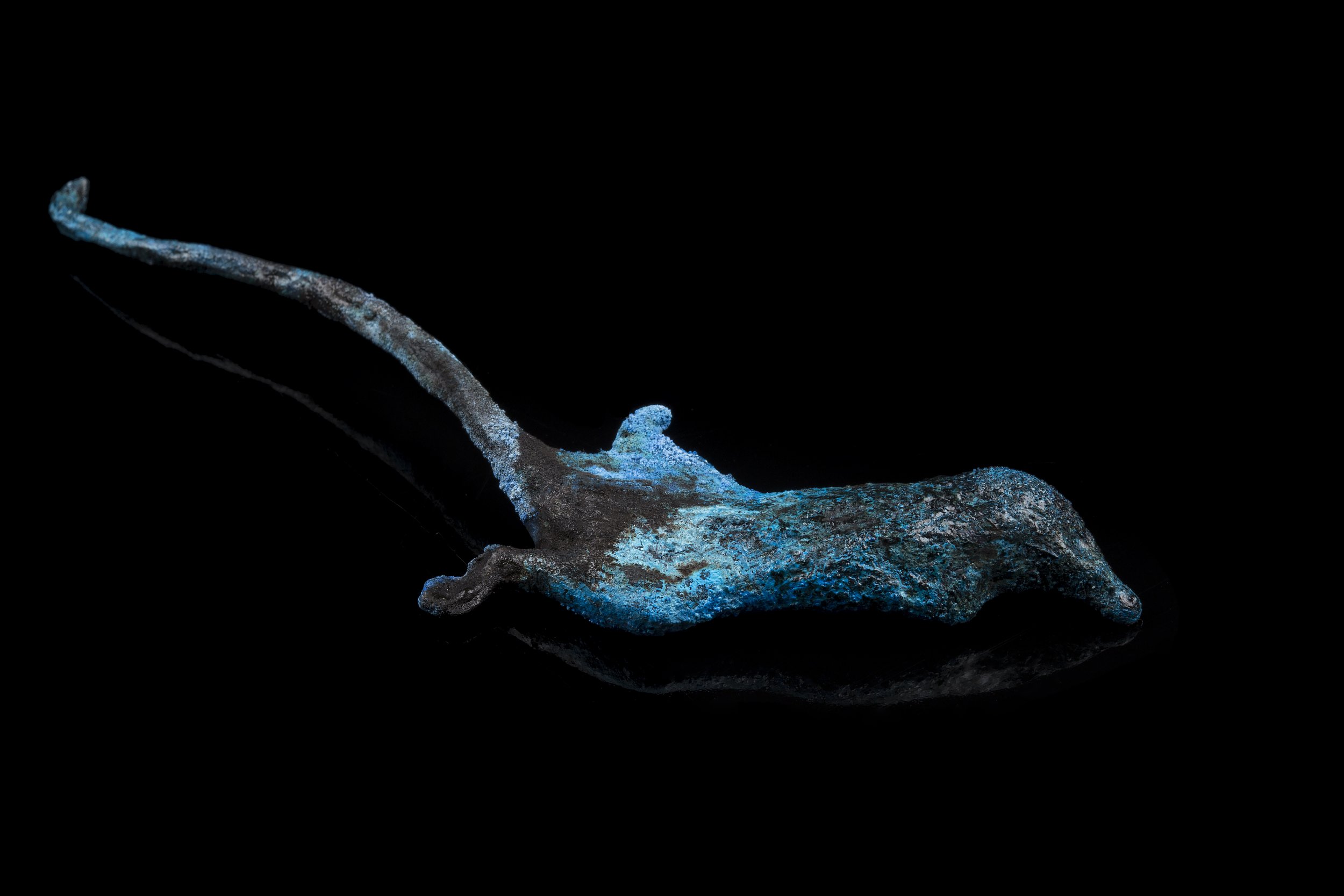
Tineke Van der Eecken, 2026. Honey Possum, copper. Photo by Yasmin Eghtesadi
To document the products of this creative development, I worked with photographer Yasmin Eghtesadi who I collaborated with for my previous exhibitions, ‘Tributaries’ (2021) and ‘Concurrencies’ (2024). As the process was as important as the product, it was essential to capture some of this on film. Natalie Warburton called upon the Murdoch University resources and found the Harry Perkins Institute media team prepared to film the laboratory process. I subsequently met with Reuben Black and Yux Seow from FAULT Studio who agreed to create a Makers’ Film. We are currently in the process of shooting, and I can’t wait to see the results.
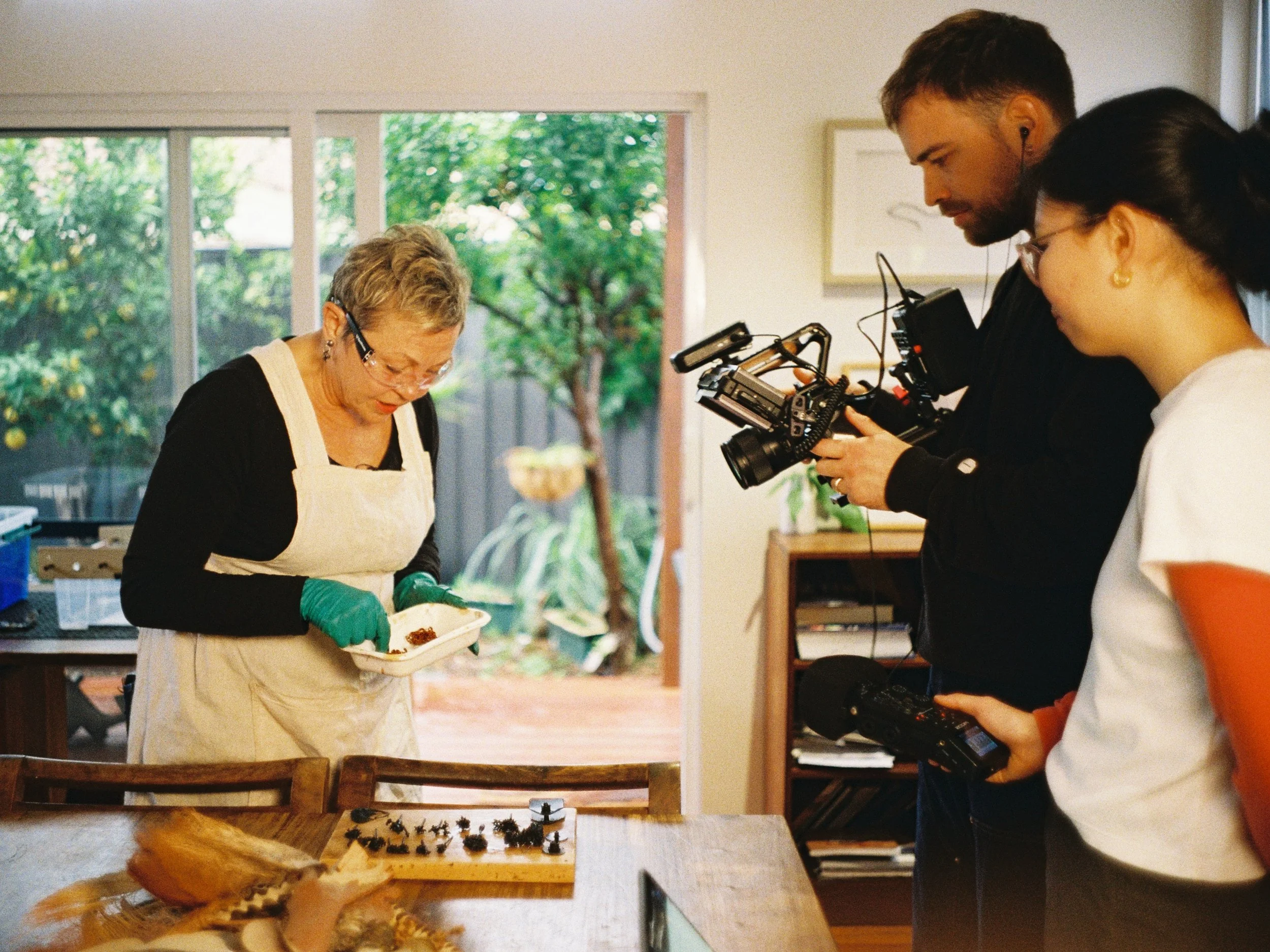
In the studio with Reuben and Yux from FAULT. Photo by Yuliang Seow
Over the next few months, I will be completing the work to form the body of a new exhibition which I will take to Naarm/Melbourne this October as part of Radiant Pavillion 2026.
My sincere gratitude to the WA Department of Creative Industries and to Murdoch Univerity for supporting this Creative Development.